EMBER ROVE FIELD GUIDE · Lens choices
Polarized, Photochromic and Tinted Lenses
Lens color, polarization and a changing tint describe different features. Here is how to read the selected option before ordering.
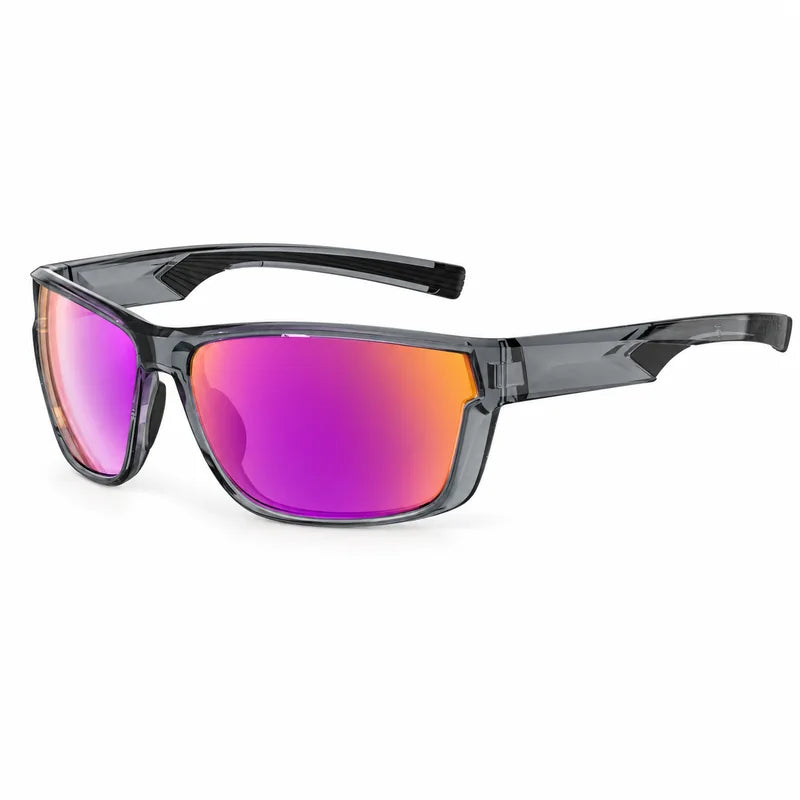
Two lenses with the same visible color can have different features. A mirrored appearance, a polarized label and a photochromic option answer different questions about the lens. Begin with your activity, then read the details for the exact color combination you plan to order.
Three features to keep separate
| Feature | What it describes | What to check |
|---|---|---|
| Polarized | A filter intended to reduce reflected glare | Whether the selected lens is actually listed as polarized |
| Photochromic | A lens that changes tint in response to conditions | Which options have the feature and what information is available about its response |
| Fixed tint or mirror appearance | The selected lens color or visible finish | Product-specific lens information beyond the color name |
SEE THE DETAILS
Styles in this guide
See these styles and their available colours.

Polarized options for reflected glare
Polarization is useful to consider around reflective surfaces, including water. It does not establish the lens's UV rating. The National Eye Institute treats UV protection and glare reduction as separate buying considerations: check the actual UV labeling rather than inferring it from a dark or polarized lens.
The full-rim fishing style lists TAC polarized lenses. The angular cycling shield has selected polarized frame-and-lens combinations. Compare the option names, measurements and product photos instead of extending one model's lens description to the whole collection.
Photochromic options for changing light
Photochromic describes a changing tint, rather than a particular frame shape. Some everyday styles mix fixed-tint and photochromic options in the same selector. The round style is one example; choosing its gray lens is different from choosing an option specifically labeled photochromic.
For cycling, compare the vented photochromic shield with the rimless photochromic shield. Response can depend on conditions. Do not assume instant tint changes or identical behavior in every setting. REI's lens overview explains the distinction between polarization, photochromic response and interchangeable lenses.
A color name is only part of the choice
A blue mirror, yellow lens or smoke-gray tint describes appearance. Those names alone do not establish light transmission, impact certification or suitability for night use. Where an exact rating matters, ask for that model's information before choosing. A removable lens also does not mean an extra lens is included in the package.
Your short list
- Choose your main activity and expected light conditions.
- Confirm the feature for the exact option you selected.
- Compare fit measurements and coverage.
- Check what comes with one order.
Continue with the cycling guide, fishing guide or golf frame and cap-clip guide. Browse active sunglasses to compare other outdoor profiles.
Find your next pair.
Compare the current styles, measurements and selected lens options.