
01 / INTEGRATED LENSESNO INSERT
Built into the main lenses
No separate insert to clip in, take out or clean around.
THE LENS LIBRARY
Understand the options.
Choose for the places you go and the light you see.
 NO EXTRA FRAME INSIDEFrame shown. Your lenses are made to order.
01 / PRESCRIPTION LENSES
Your prescription is part of the main lenses. There is no smaller pair of lenses sitting behind them.
A CLOSER LOOK
No separate insert to clip in, take out or clean around.
A smaller prescription frame sits behind the outer lens, creating an extra gap.
Anti-fog prescription lenses. Less prone to fogging than insert-style designs.
Different features. Simple choices.
 SUNSHINE ↔ SHADE
02 / PHOTOCHROMIC
They darken in sunlight and become lighter indoors, so you do less switching between glasses and sunglasses.
The change is gradual, not instant. Light and temperature affect how dark they get and how quickly they lighten again.
Check the specific lens before riding after dark. Changing tint does not automatically mean the lens is polarized.
03 / POLARIZED
Polarized lenses cut the bright reflections from water, making the view easier to look at.
Darker is not always better. Think about the light where you fish, from open water to a shaded stream.
Polarized lenses may make some cycling computer screens harder to read. The same can happen with some phones and watches.
04 / MIRROR FINISH
A mirror finish reflects some light away and gives the outside of your lenses a coloured, reflective look.
A blue mirror does not mean everything looks blue. The colour you see through depends on the lens underneath.
A mirror finish alone does not make lenses polarized or light-changing. Colours shown above are illustrations.
A LITTLE CLARITY
A few simple answers to help you choose.
Think about when you ride. Photochromic lenses can be convenient when daylight changes. For rides after dark, check that your lenses are suitable. Polarized lenses may make some cycling computer screens harder to read.
Start with polarized lenses to cut the bright shine from the water. Then think about your fishing spot: open water in full sun and a shaded stream need different levels of darkness.
Many photochromic lenses do not darken as much behind a car windscreen because it blocks much of the UV light that activates them. Check the specific lens before choosing it for driving.
Lens thickness depends on your prescription, lens material and frame. A higher lens index can help reduce thickness, but it is only one part of the choice.
Shape illustration only. It does not predict the thickness of your finished lenses.
The mirror colour is what other people see on the outside. The view through the lens can be a different colour. A blue mirror does not mean everything looks blue.
Lens options vary by frame and prescription. Colours and diagrams explain the idea; they are not measured lens test results.
HERE FOR YOUR JOURNEY
A little guidance. A clearer journey.
Find delivery details, return instructions and help choosing your eyewear. Start with the topic that fits your question.
Explore the topicsA sunny ride, a shaded trail, and a morning on the water put different demands on your glasses. Start with a material that suits your prescription, then choose features for the light around you.
Find your starting point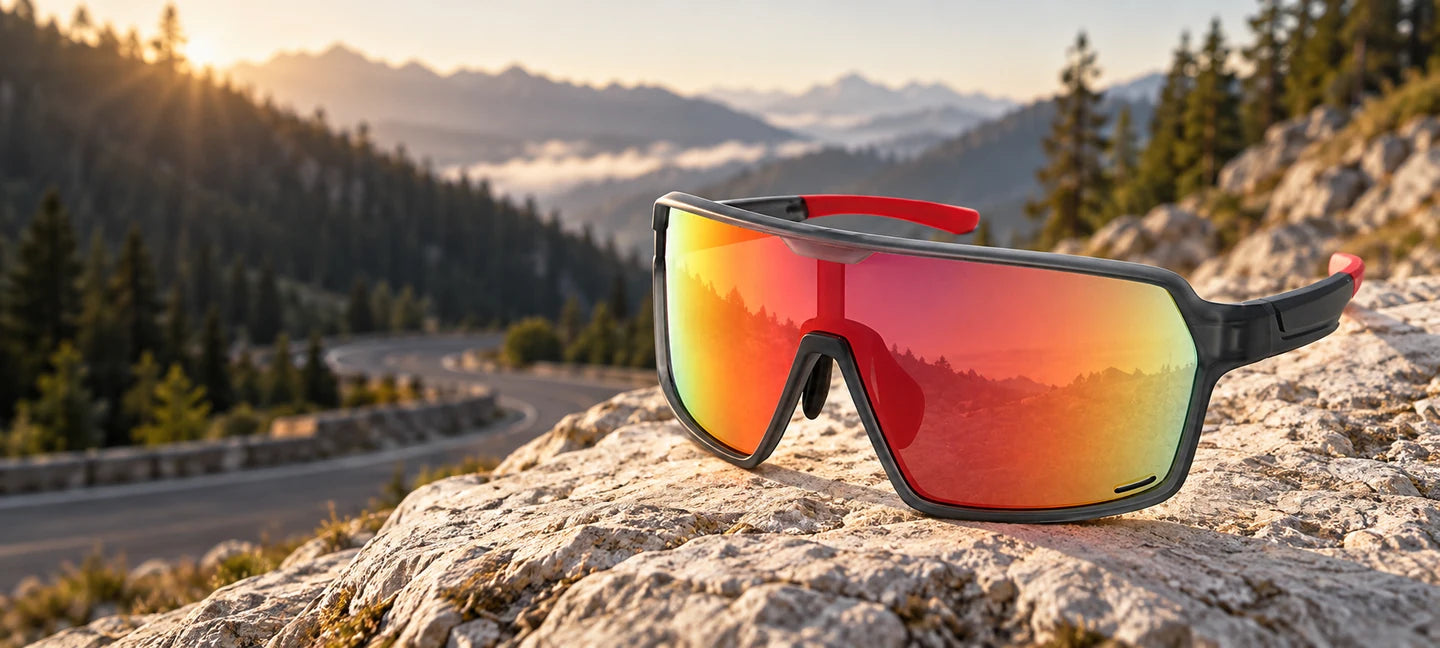
Lens material affects thickness, weight, and everyday comfort. Your prescription, frame size, and frame shape also influence the finished result.
Lightweight and impact-resistant.
A practical choice for active days, combining low weight with impact resistance.
Consider it for Running, cycling, and everyday outdoor wear.
A balanced everyday choice.
Combines optical clarity with a relatively slim profile. A versatile option for glasses you wear throughout the day.
Consider it for Everyday wear, golf, hiking, and general outdoor use.
A thinner option for higher prescriptions.
Helps reduce lens thickness when a higher prescription would otherwise produce thicker lenses. Final thickness and weight depend on your prescription and chosen frame.
Consider it if You have a higher prescription and want a slimmer lens profile.
Lightweight comfort for longer outings.
Combines optical clarity, low weight, and impact resistance. A useful choice for comfort during extended wear.
Consider it for Longer runs, hikes, and active outdoor days.
Numbers such as 1.53, 1.60, and 1.67 describe how efficiently the material bends light. A higher number can allow a thinner lens for the same prescription. The right choice also depends on comfort, frame fit, and how you use your glasses.
Choose clear lenses when you do not need a sunglass tint.
Consider them for Indoor courts, everyday wear, and low-light conditions.
Adapt to changing daylight.

Photochromic lenses respond to UV light, darkening outdoors and gradually lightening as UV exposure decreases. They can be useful on outings that take you between bright sun and shade.
Consider them for Running, cycling, hiking, and moving between indoors and outdoors.
The transition is gradual. Temperature and UV exposure affect how dark the lenses become and how quickly they lighten.
Cut distracting glare.

Polarized lenses filter reflected glare from surfaces such as water and wet roads. This can make bright reflections less distracting and improve visual comfort.
Consider them for Fishing, boating, days on the water, and outdoor routes with strong surface reflections.
Some phone, watch, and cycling-computer displays may be harder to read through polarized lenses.
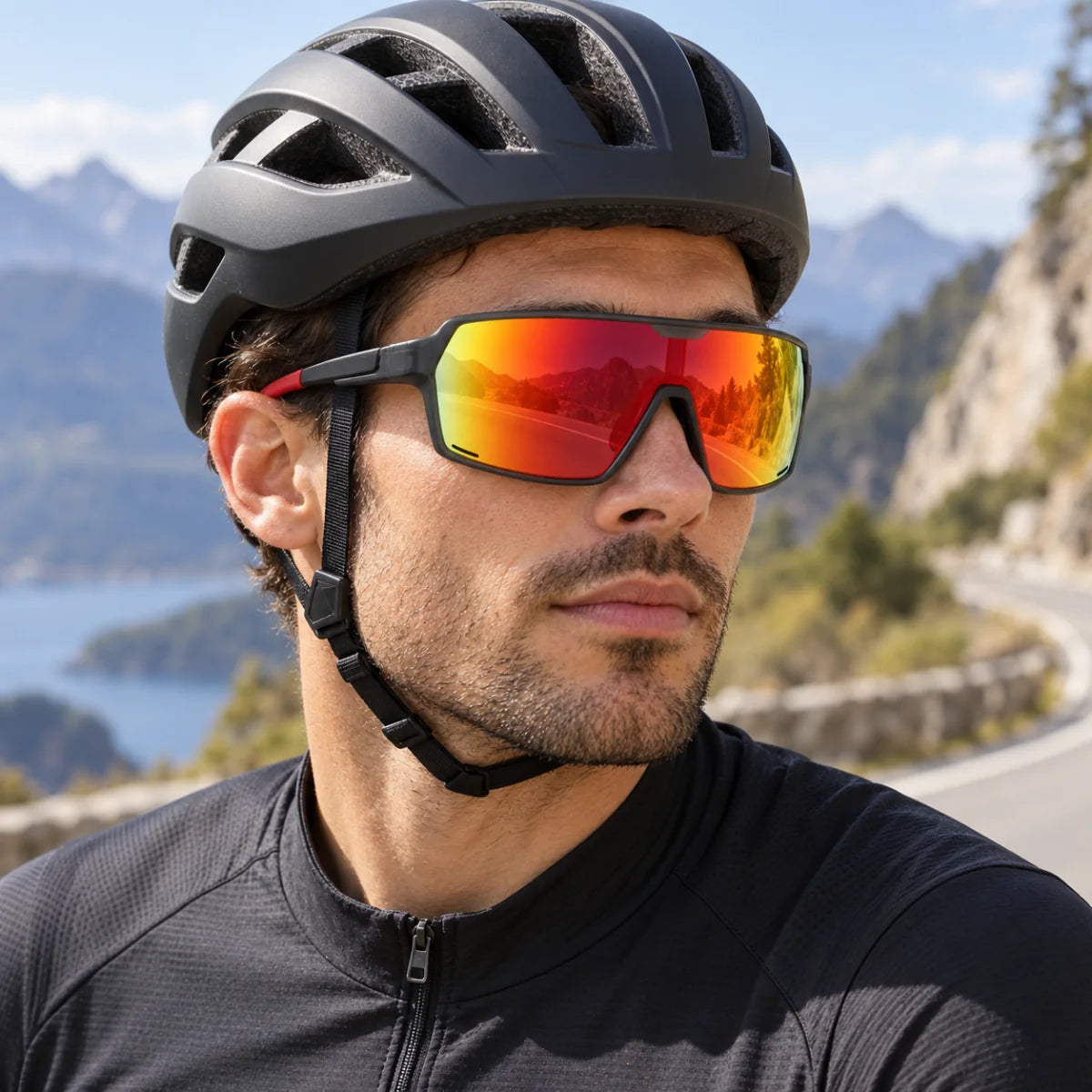 Mirror finish illustrated
Reflective color on the outside.
A reflective coating on the front of the lens reflects some incoming light and creates a distinctive mirrored finish.
Consider it for Sunny rides, open trails, and outdoor days when you prefer a mirrored look.
The mirror color is the reflection others see from the outside. It does not necessarily match the tint you see through the lenses.
Images illustrate lens features, not the exact tint or performance of your finished pair.
Each feature serves a different purpose. Combine them to match your surroundings and preferences.
Light adaptation with reflected-glare reduction.
An adaptive tint with a mirrored outer finish.
Reflected-glare reduction with a mirrored look.
Light adaptation, reflected-glare reduction, and a mirrored finish together.
You’ll see the available combinations and colors as you choose your lenses.
Consider photochromic lenses for changing daylight between sun and shade. Add a mirror finish if you prefer a mirrored look for outdoor wear.
Consider polarized lenses to reduce glare from the water’s surface. Add photochromic if you also want the tint to adapt to changing daylight.
Choose your tint and features around the conditions you usually play in. Photochromic lenses can help when daylight changes during your session.
Consider clear lenses for an untinted view under indoor court lighting.
Consider photochromic lenses for mixed daylight, or polarized lenses when reflections from water and other surfaces are a frequent distraction.
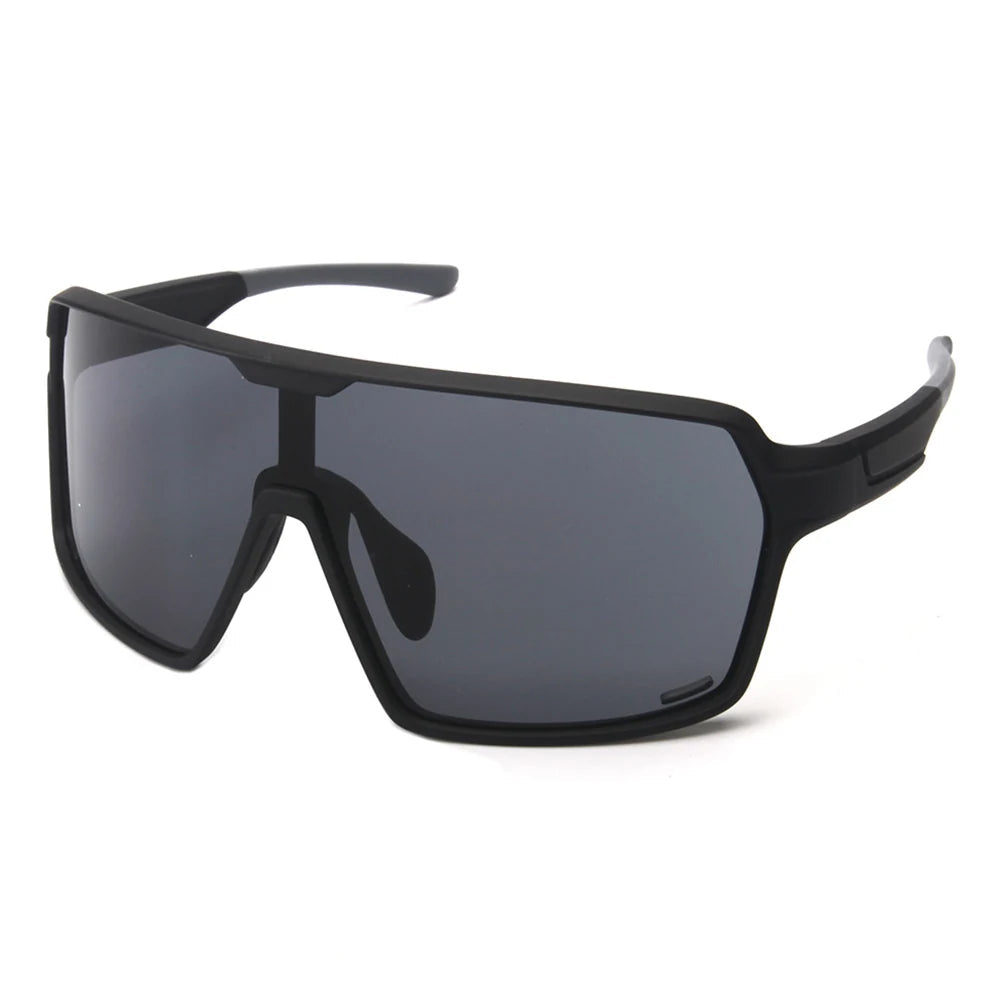
Product photos help you choose your frame style and color. Choose your lens material, features, and color separately.
Your prescription and chosen frame determine which lens options are suitable.
Choose your frame. Make the lenses yours. Add your prescription.
Find your fit, then choose custom lenses on the product page.
Compare single-vision, progressive and lens-finish options.
Upload a prescription, enter your details or provide them later. Your prescription and frame fit are reviewed before production.
Prescription correction is built directly into the main lenses. Your prescription and frame fit are reviewed before production.
Explore lens optionsRider imagery is illustrative. Choose your lenses in the form.
The current store offers prescription upload, manual entry or “Send later”. Select the method that works for you during lens configuration.
Your prescription and frame fit are reviewed before production. Available lens finishes and materials depend on the selected package.
Prescription eyewear has separate support, warranty and returns terms.
Prescription warranty & returns ↗Use a pair you already wear comfortably as your starting point.
Compare the dimensions on each product page with glasses you already wear comfortably. Try the frame with your helmet to check the clearance around the temples.
Adjust the contact points gently and check the fit with your helmet before riding.


